
Wasp & Hornet Control
Hornets, bees, wasps and yellow jackets. Nests under eaves, dock roofs and in the ground, handled safely.
Specialty pest control: If you've got an insect problem that's more unique than the average pests, you can trust our experienced technicians: hornets, bees, wasps and yellow jackets.
Stinging insects around the Highland Lakes
Lake country gives stinging insects everything they want: shelter, water and plenty of insects to hunt. The ones we deal with most:
- Red paper wasps and other paper wasps. The open, umbrella-shaped paper nests under eaves, porch ceilings, dock roofs, boat lifts and the underside of railings.
- Yellow jackets. Smaller, black and yellow and aggressive. They nest in the ground, in wall voids and in hollow spaces, so most stings happen when someone mows, weed-eats or steps near a hidden nest.
- Mud daubers. Long, thin wasps that build mud tubes on walls and in garages. They rarely sting but leave a mess.
- Hornets. Larger wasps with big paper nests. People often call any big wasp a hornet.
- Honey bees. Swarms can settle in walls, soffits, water meter boxes and trees. Africanized honey bees have been in Texas since 1990 and have spread across much of the state. You cannot tell them from regular honey bees by looking, so any colony that is defensive or near people should be handled by a professional.
Why nests show up in the same spots every year
Wasps do not reuse an old nest, but new queens that spent the winter nearby come back to the same kind of sheltered spot in spring. That is why the same corner of the porch or the same dock roof gets a nest year after year. Colonies grow all summer, so by late summer a nest that started with a few wasps can hold many more, and they are much more defensive.
How we handle stinging insects
- Treating and removing active nests on homes, docks, boathouses, sheds and play equipment.
- Finding and treating ground and wall nests for yellow jackets, which are easy to miss.
- Treating the eaves and other spots where wasps like to build, to discourage new nests.
- Bee colonies are evaluated case by case.
Staying safe
- Do not knock down or spray a nest yourself, especially a large one or one you cannot fully see. Wasps defend the nest as a group and can sting repeatedly.
- Watch for wasps flying in and out of a gap in siding, a hole in the ground or a meter box. That is a hidden nest.
- Check dock roofs, boat covers and boat lifts at the start of the season before climbing in.
- Anyone allergic to stings should keep their epinephrine handy. Swelling of the face or throat or trouble breathing after a sting means call 911.
Call the office at (512) 756-6645.
Protecting your pets
Dogs that snap at wasps or dig into a yellow jacket nest in the ground can be stung many times. Removing nests near yards, kennels and barns protects your pets. Your dogs, cats and horses are part of the family. Let the office know about your pets when you schedule, and we will plan the treatment around them, including where they eat, sleep and play, and how long to keep them out of treated areas.
REQUEST SERVICE OR GET A FREE ESTIMATE
Please provide the following information and our office staff will call or text you back during business hours.
Questions about this
Should I knock a wasp nest down myself?
It is not a good idea, especially with a large nest or one you cannot fully see. Wasps defend the nest as a group and can sting over and over, and a partly removed nest is often rebuilt within days.
Why do wasps keep building in the same spot every year?
The old nest is not reused, but new queens that spent the winter nearby look for the same kind of sheltered spot, such as a porch corner or dock roof, and start a new nest there.
Why do yellow jackets sting when I mow?
Yellow jackets often nest underground or inside walls, where you cannot see the nest. Mowing and weed-eating shake the ground right over them, and the colony comes out to defend it.
Are Africanized honey bees in the Highland Lakes?
Africanized honey bees have been in Texas since 1990 and have spread across much of the state. They look the same as regular honey bees, so any colony that is defensive or close to people should be handled by a professional.
Why are wasps worse in late summer?
Colonies grow all season. By late summer they are at their largest and food is harder to find, so there are more wasps around each nest and they are quicker to sting.
Other things we do
Boat Dock & Boathouse Pest Control
Nuisance spiders, mosquitoes, midges and no-see-ums on your boat dock and boathouse, handled with a dock treatment or an automatic misting system.
Fire Ant Program
Three fire ant treatments through the year, on a schedule we keep for you.
General Pest Control
No Contracts - No Hidden Fees. Great service from people you can trust.
Automatic Spider Misting Systems
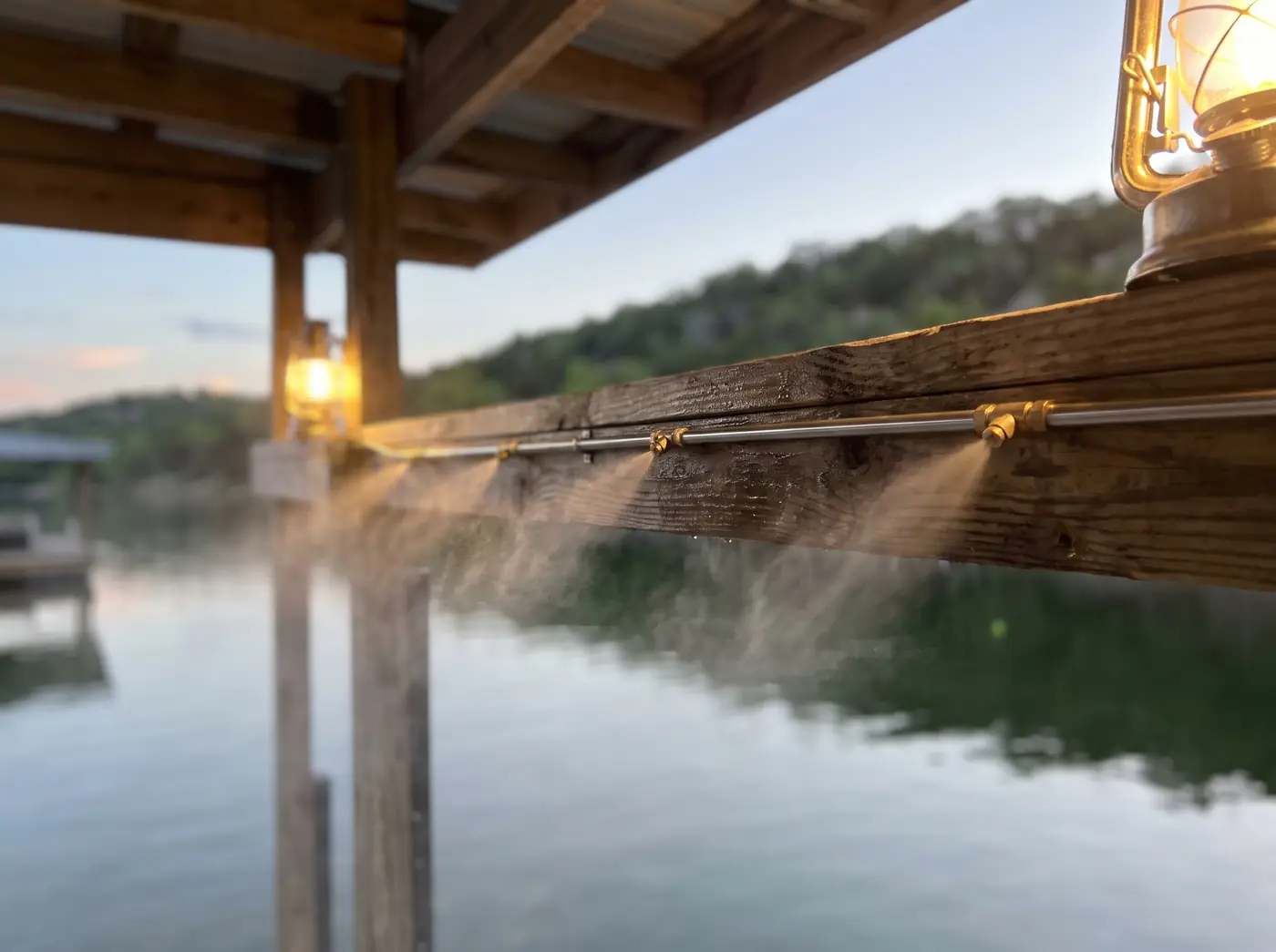
Programmable misting systems for your boat dock, lake house, deck, patio or porches.
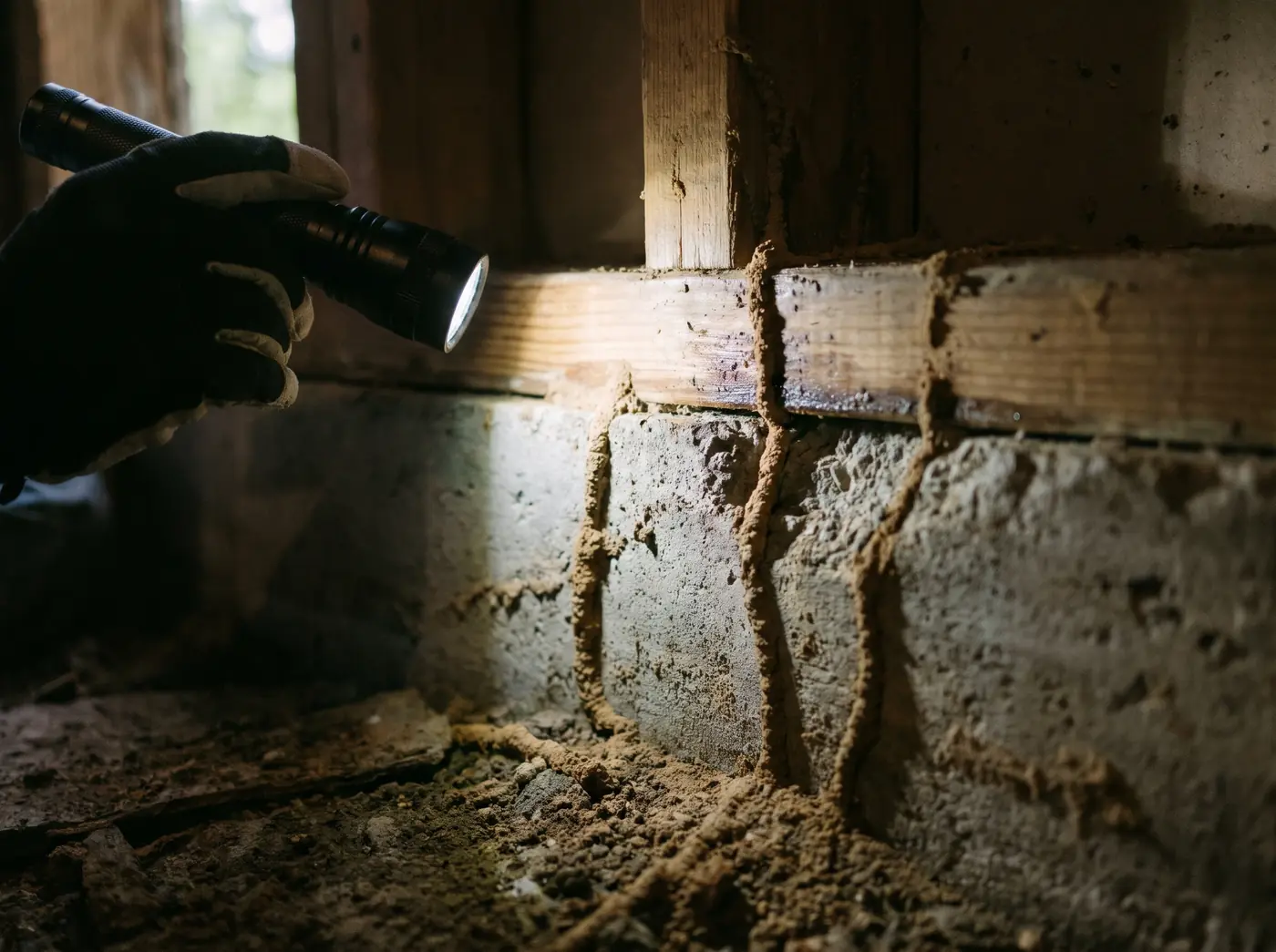
Termites, WDI Reports & Pretreats
Inspections, treatment and pretreats. WDI reports for buyers, sellers and builders.
Termite Inspections
Official Texas WDI reports for home sales, and termite inspections for homeowners who want to know.
Tree & Lawn Service
Tree and lawn service for webworms, grasshoppers, crickets, chinch bugs, grubworms, aphids, scale and chiggers.

Ant Control
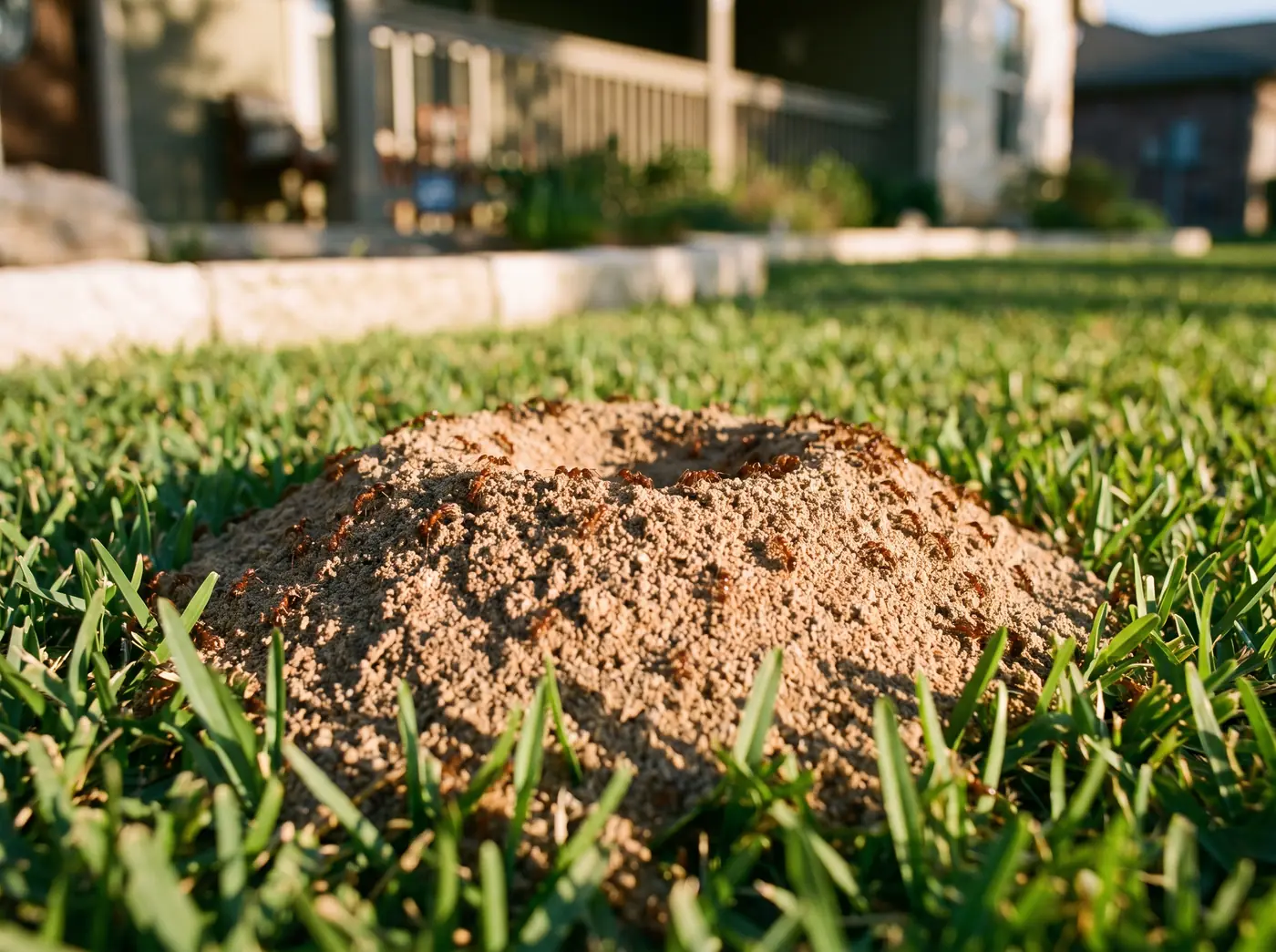
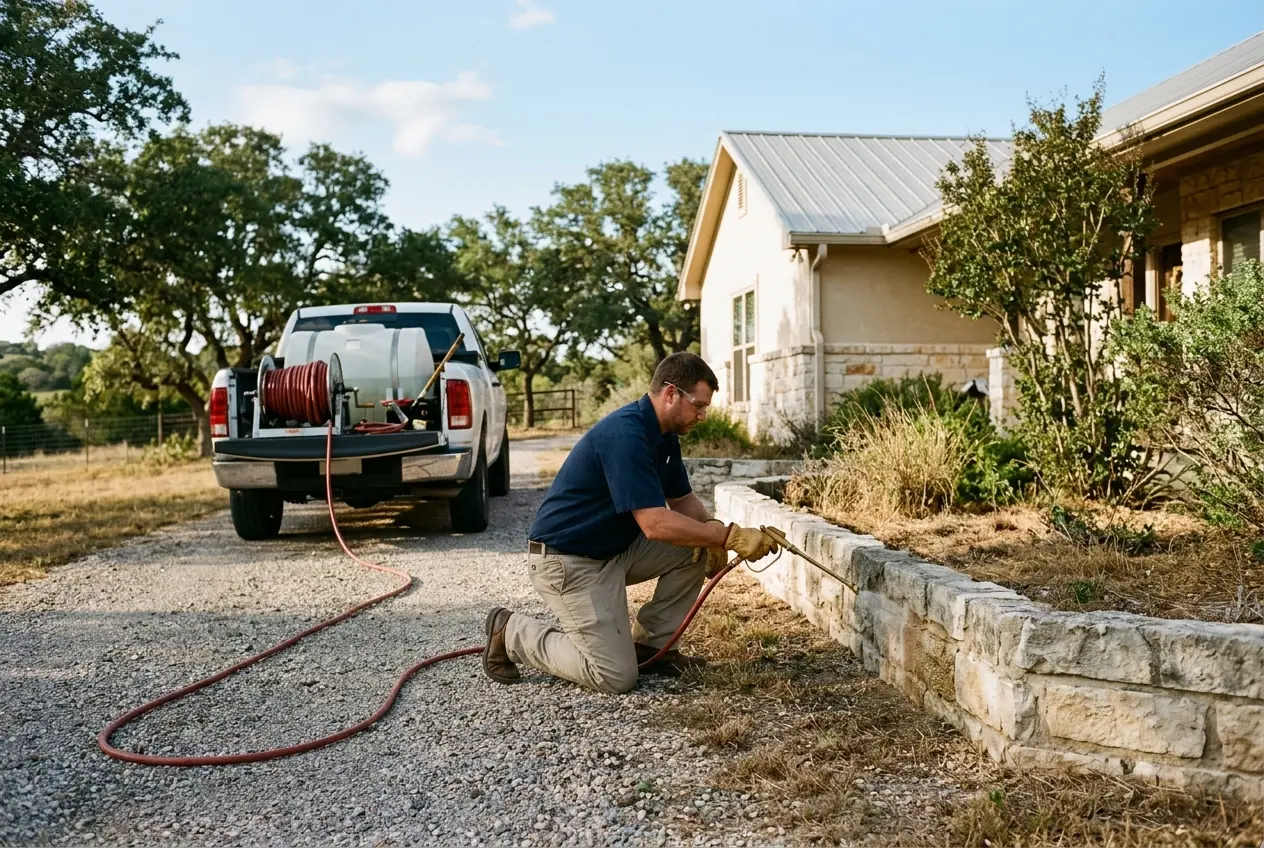
Fire ants in the yard, sugar ants in the kitchen, carpenter ants in the wood. Different ants need different treatments.
Flea & Tick Control
Deer, brush and tall grass bring ticks right up to Hill Country yards. Fleas ride in on pets and wildlife.
Mosquito Control
Lake coves, low spots and anything that holds water. Cut down where mosquitoes breed and where they rest.
Roach Control
Big American cockroaches that wander in from outside and small German roaches that breed indoors need different plans.
Rodent Control
Roof rats in the attic, mice in the garage, pack rats in the shed. Find how they get in and close it off.
Scorpion Control
Striped bark scorpions climb walls and hide in attics and rock. We treat where they live, not just where you saw one.
Spider Control
Docks, porches, eaves and garages: we control spider activity where lake country spiders actually live.
Call the office
A real person at the office(512) 756-6645Office hours
| Monday-Friday | 8am-5pm |
| Saturday & Sunday | Closed |
Please give 24 hours’ notice to change an appointment.
Address
1701 County Road 200B, Burnet, TX 78611