

Scorpion Control
Striped bark scorpions climb walls and hide in attics and rock. We treat where they live, not just where you saw one.
If you live around Burnet, Marble Falls or anywhere on the Highland Lakes, you have probably met a scorpion in the bathtub, on a wall at night or in a shoe. Scorpions are part of living in this rocky hill country, and the right treatment keeps them outside where they belong.
The scorpion you're seeing is almost always the striped bark scorpion
Texas has 18 kinds of scorpions, but only one lives across the whole state: the striped bark scorpion. It is yellowish tan, about two and a half inches long, with two dark stripes running down its back. Texas A&M AgriLife describes it as an active hunter that does not burrow. It climbs trees and walls, and it is often found in attics. That is why people here find them on ceilings, in upstairs bedrooms and dropping out of light fixtures, not just on the floor.
Why the Highland Lakes has so many
Scorpions need two things: a place to hide in the daytime and insects to eat at night. Our area gives them plenty of both.
- Granite and limestone. Rock walls, landscape boulders, rock borders and the loose rock on hillside lots are perfect hiding places.
- Cedar and live oak. Loose bark, fallen limbs and leaf litter under the trees hold scorpions and the crickets and roaches they eat.
- Firewood, lumber and lake gear. Stacked wood, stored boat cushions, kayaks and anything left on the ground for a season.
- Lake lights. Docks and porches lit at night pull in insects, and scorpions follow the food.
When scorpions come inside
Striped bark scorpions are most active in the warm months and hunt at night. They tend to move indoors when the weather swings: ahead of heavy rain, during a long dry spell, or when the first cold fronts come through in the fall. A scorpion can flatten itself enough to slip under a door with a worn sweep, through a weep hole in brick, or around the pipes and wires that come through a wall.
How we treat scorpions
Spraying the one you saw does not solve anything. Scorpions are tougher than most insects, so treatment goes where they live and travel:
- The outside of the house, with attention to the foundation line, weep holes, door thresholds and garage door edges.
- Rock beds, landscape timbers and the base of trees close to the house.
- Eaves and exterior walls, since this scorpion climbs.
- Inside where needed, such as along baseboards, in the garage and in the attic when that is where they are showing up.
Because scorpions eat other bugs, keeping the general insect population down is a big part of keeping scorpions down. That is why most of our customers stay on a routine schedule, monthly, every other month or quarterly, instead of calling once a year.
Things you can do between visits
- Pull firewood, lumber and rock piles away from the walls of the house.
- Replace worn door sweeps and weatherstripping, and seal gaps where pipes and wires come through.
- Shake out shoes, boots, towels and gloves that have been sitting, especially in the garage.
- Switch porch and dock lights to yellow bulbs, or turn them off when not in use, so fewer insects gather.
- Look at night with a UV blacklight. Scorpions glow under it, which makes it easy to see where they are coming from.
Protecting your pets
Dogs and cats get stung too, usually on the nose or paws when they find a scorpion on the floor at night. Keeping scorpions outside protects your pets as well as your family. Your dogs, cats and horses are part of the family. Let the office know about your pets when you schedule, and we will plan the treatment around them, including where they eat, sleep and play, and how long to keep them out of treated areas.
Stings
Most striped bark scorpion stings are painful, like a bad wasp sting, but not dangerous for a healthy adult. Small children, older adults and anyone who has a strong reaction should get medical advice. If a sting causes trouble breathing, swelling of the face or throat, or muscle twitching, call 911.
Circle S has been treating scorpions in Burnet, Llano and Travis Counties and the Highland Lakes for decades. Call the office at (512) 756-6645 or use the form to tell us what you are seeing.
REQUEST SERVICE OR GET A FREE ESTIMATE
Please provide the following information and our office staff will call or text you back during business hours.
Questions about this
What kind of scorpion do we have in Burnet and Marble Falls?
Almost always the striped bark scorpion. It is the only one of Texas's 18 species found across the whole state. It is yellowish tan with two dark stripes down its back and grows to about two and a half inches.
Why do I find scorpions on my ceiling and walls?
The striped bark scorpion climbs. It does not burrow, and Texas A&M AgriLife notes it is often found in attics. It can walk up a wall or across a ceiling, then drop down. Treatment needs to cover eaves, walls and sometimes the attic, not just the floor.
Do scorpions really glow under a blacklight?
Yes. Their outer shell glows under ultraviolet light. Walking the outside of the house after dark with a UV flashlight is the easiest way to see where they are hiding and how they are getting in.
Why do I see more scorpions after rain or when it turns cold?
Big weather changes push them to move. Heavy rain floods their hiding spots, long dry spells send them looking for moisture, and the first cold fronts send them toward the warmth of a house.
Will one treatment get rid of scorpions for good?
Not around here. The rock, trees and lake lights that draw them never go away, so scorpions keep moving in from the land around you. A routine schedule, monthly, every other month or quarterly, keeps the pressure down all year.
Other things we do
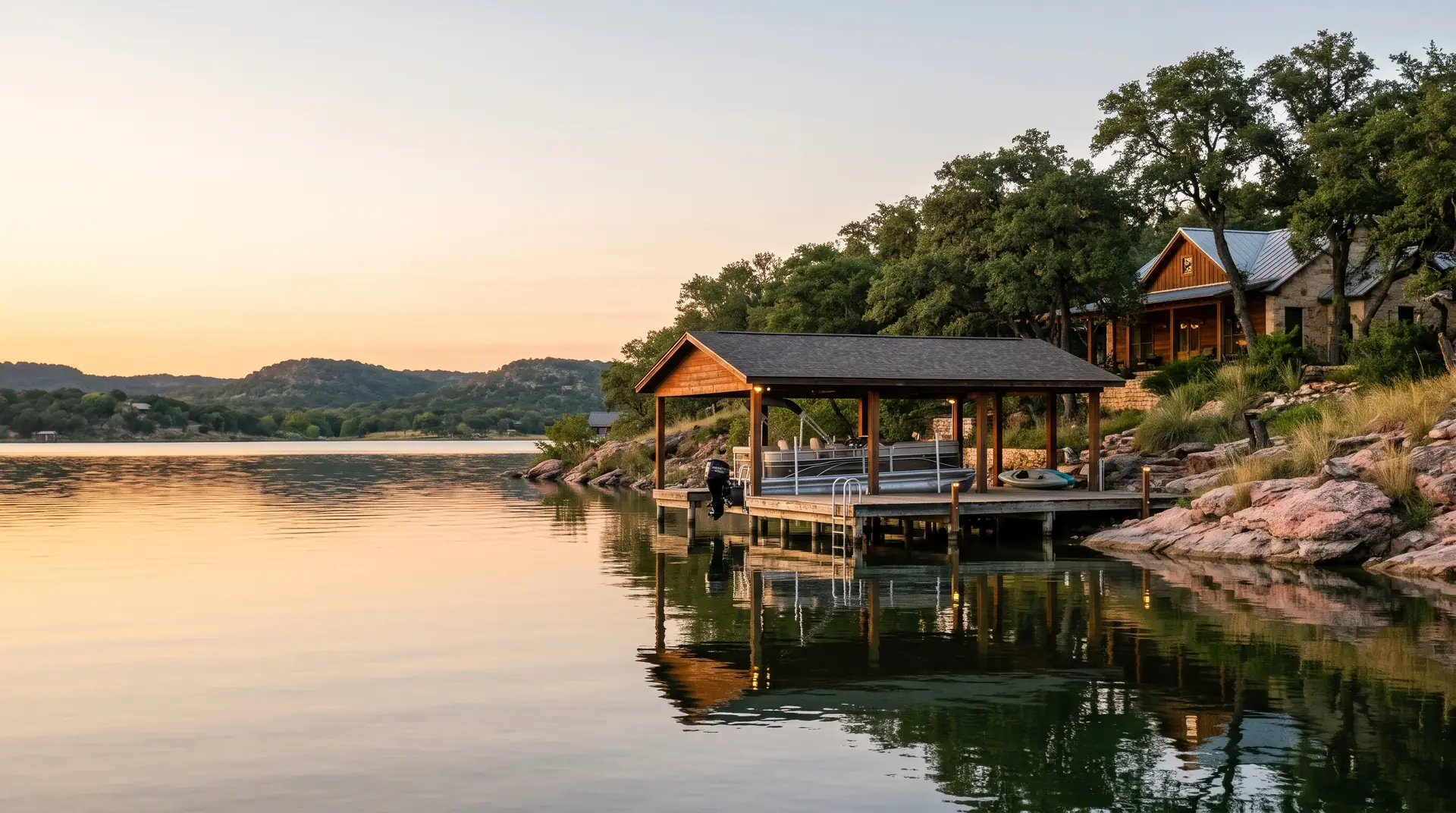
Boat Dock & Boathouse Pest Control
Nuisance spiders, mosquitoes, midges and no-see-ums on your boat dock and boathouse, handled with a dock treatment or an automatic misting system.
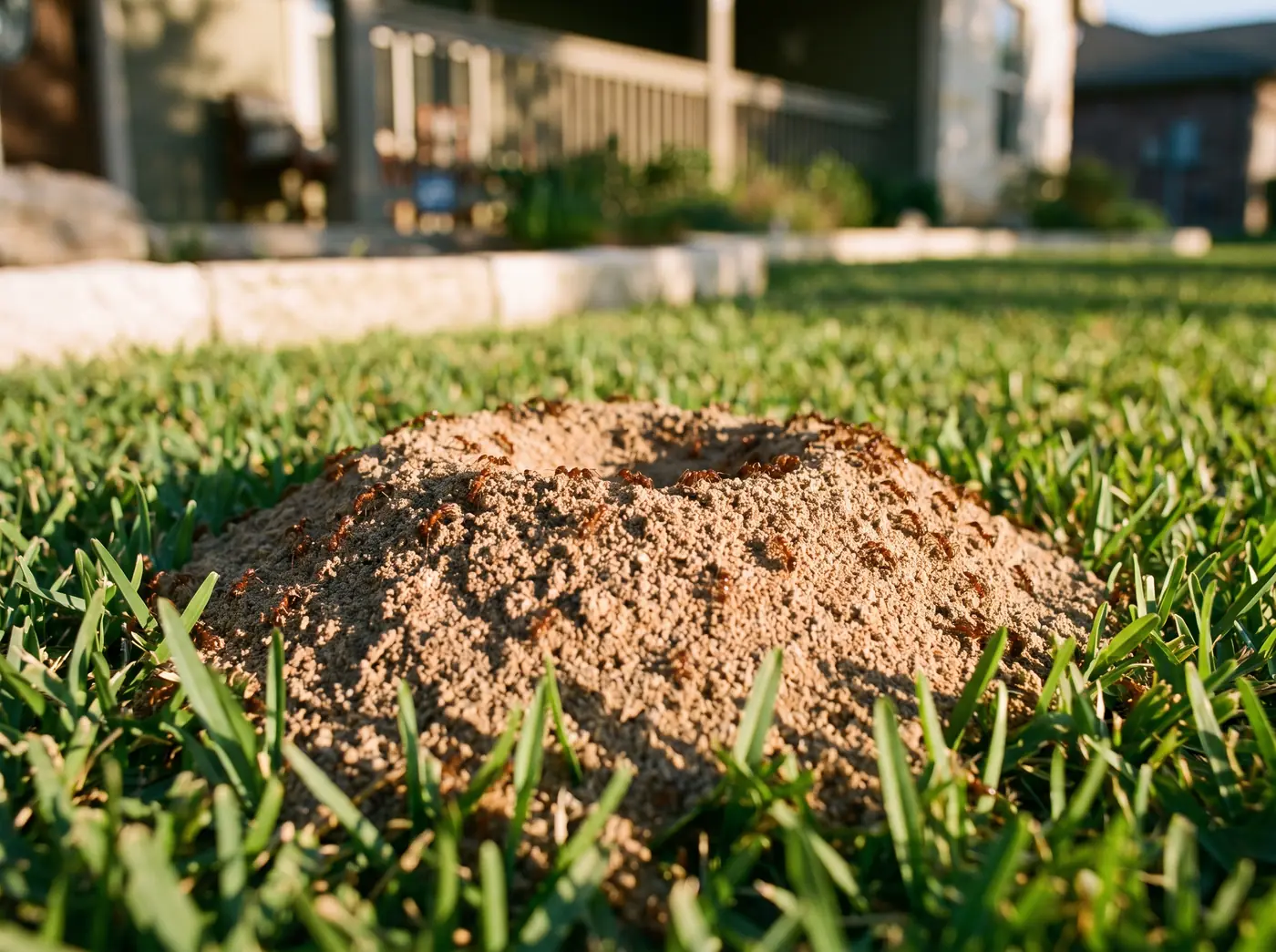
Fire Ant Program
Three fire ant treatments through the year, on a schedule we keep for you.
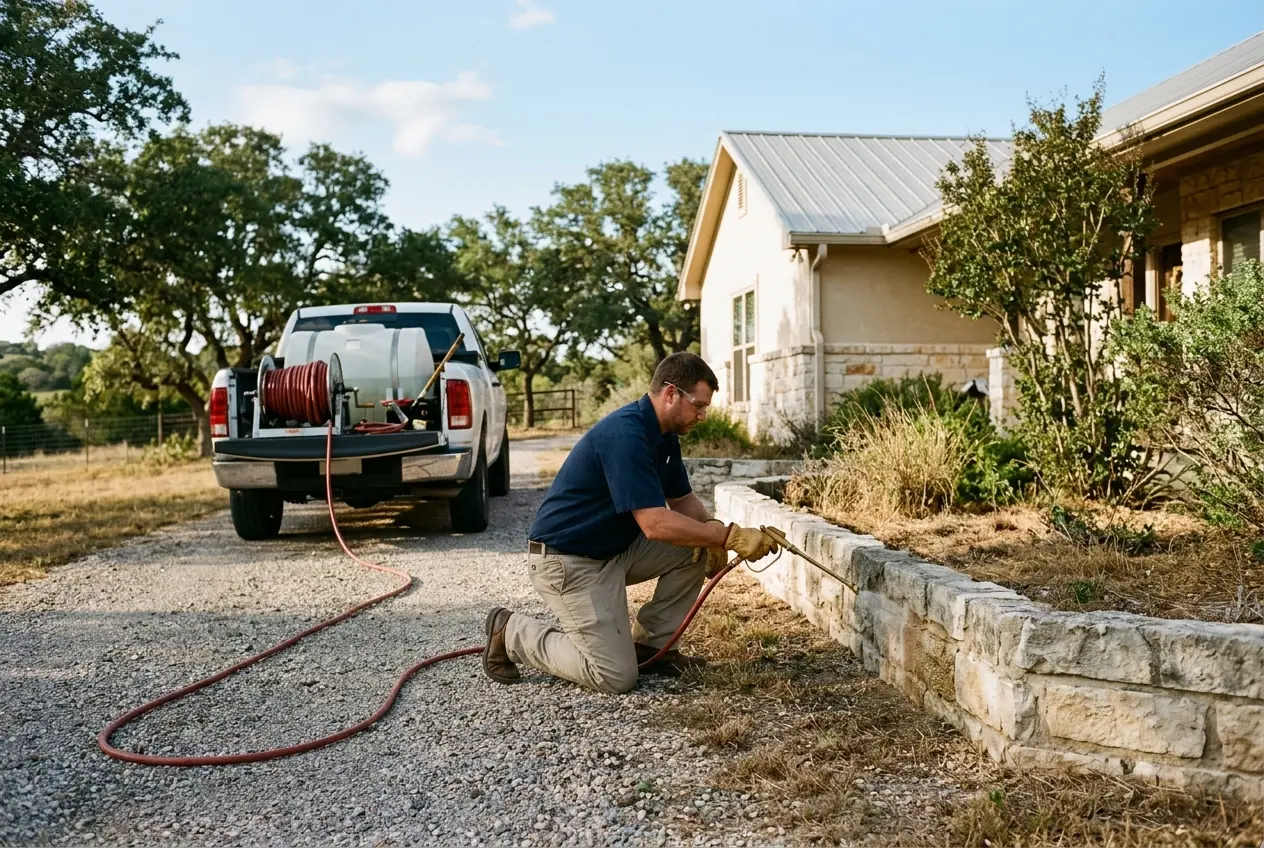
General Pest Control
No Contracts - No Hidden Fees. Great service from people you can trust.
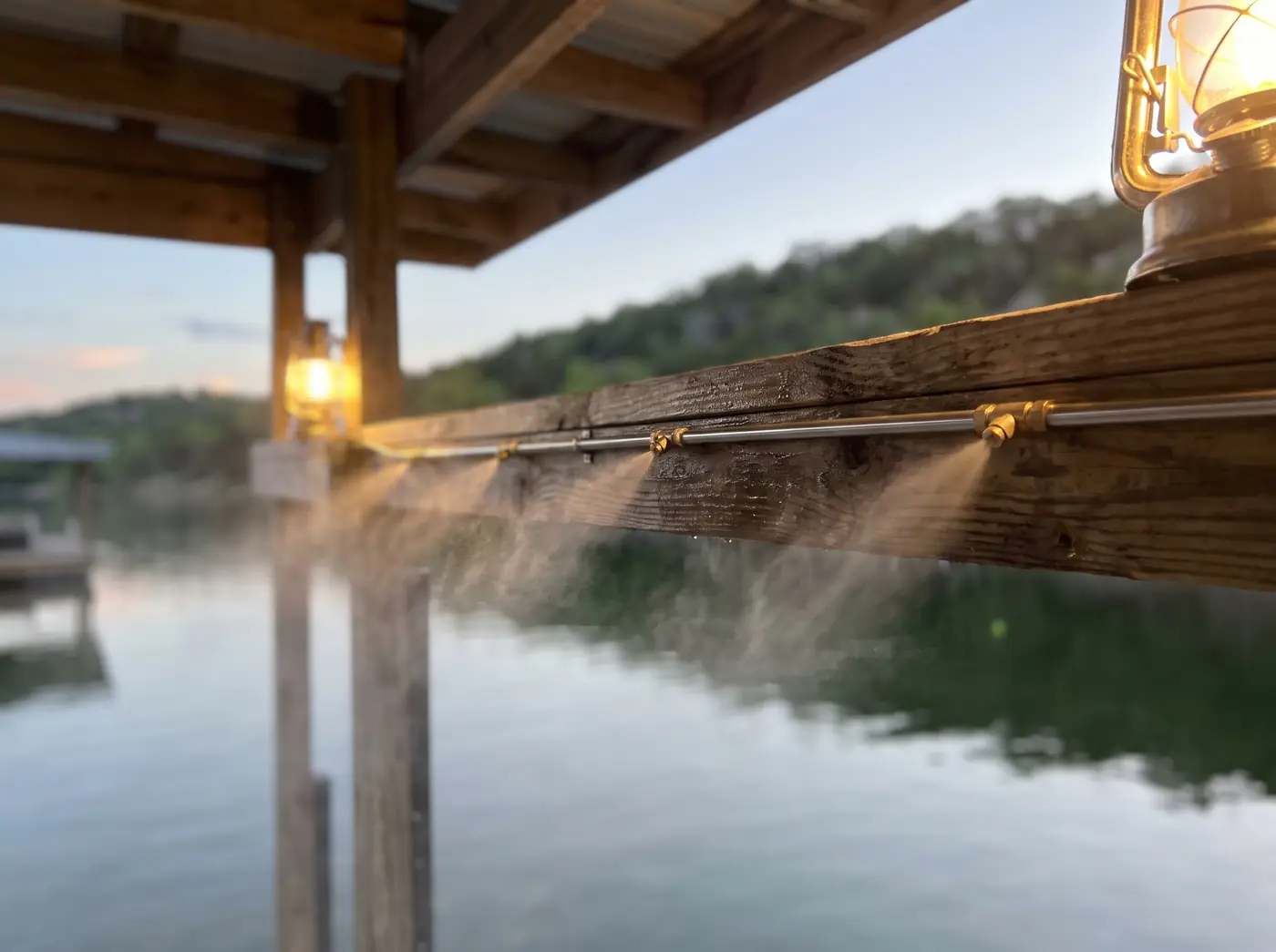
Automatic Spider Misting Systems
Programmable misting systems for your boat dock, lake house, deck, patio or porches.
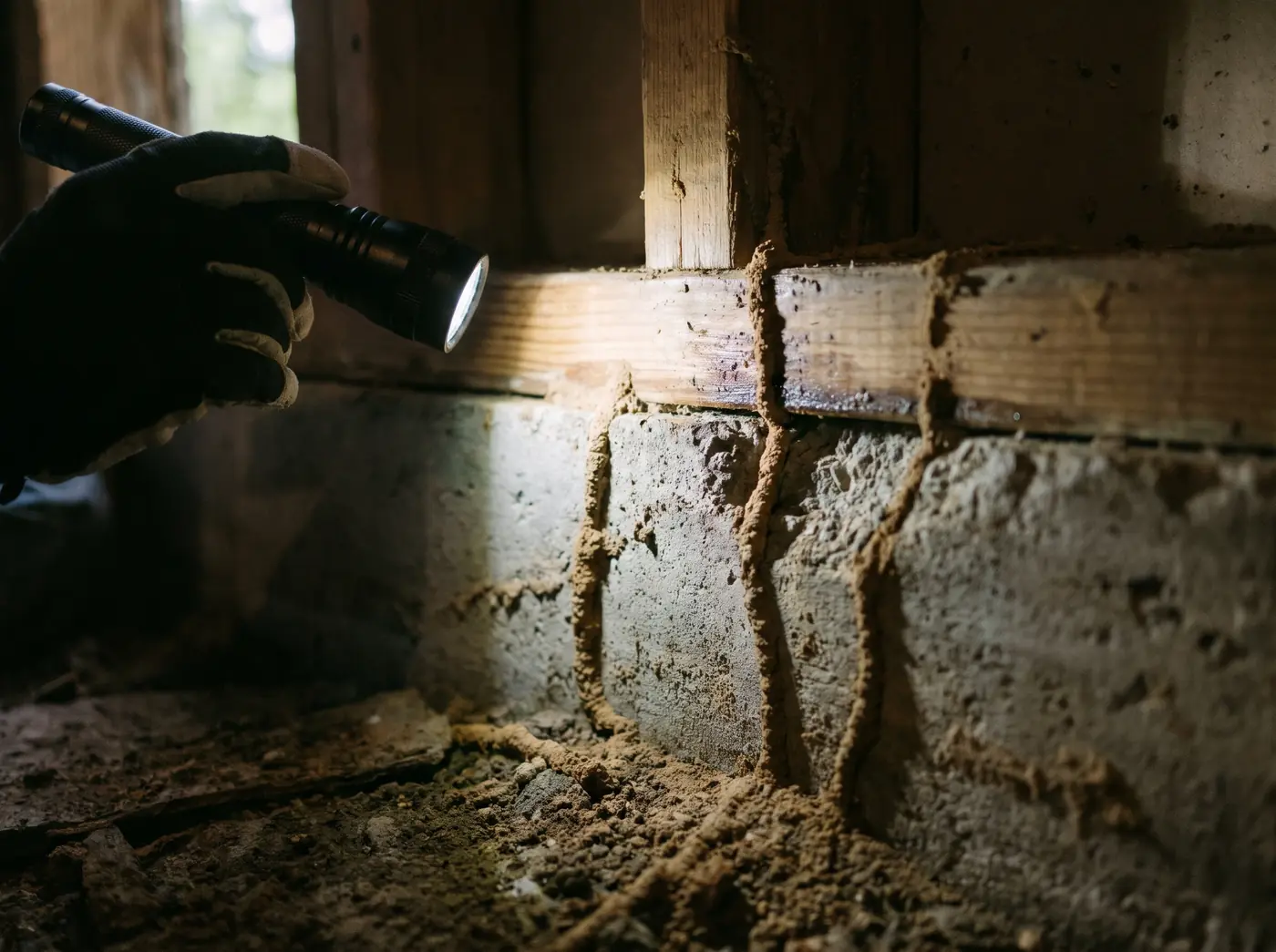
Termites, WDI Reports & Pretreats
Inspections, treatment and pretreats. WDI reports for buyers, sellers and builders.
Termite Inspections
Official Texas WDI reports for home sales, and termite inspections for homeowners who want to know.
Tree & Lawn Service
Tree and lawn service for webworms, grasshoppers, crickets, chinch bugs, grubworms, aphids, scale and chiggers.
Ant Control
Fire ants in the yard, sugar ants in the kitchen, carpenter ants in the wood. Different ants need different treatments.
Flea & Tick Control
Deer, brush and tall grass bring ticks right up to Hill Country yards. Fleas ride in on pets and wildlife.
Mosquito Control
Lake coves, low spots and anything that holds water. Cut down where mosquitoes breed and where they rest.
Roach Control
Big American cockroaches that wander in from outside and small German roaches that breed indoors need different plans.
Rodent Control
Roof rats in the attic, mice in the garage, pack rats in the shed. Find how they get in and close it off.
Spider Control
Docks, porches, eaves and garages: we control spider activity where lake country spiders actually live.
Wasp & Hornet Control
Hornets, bees, wasps and yellow jackets. Nests under eaves, dock roofs and in the ground, handled safely.
Call the office
A real person at the office(512) 756-6645Office hours
| Monday-Friday | 8am-5pm |
| Saturday & Sunday | Closed |
Please give 24 hours’ notice to change an appointment.
Address
1701 County Road 200B, Burnet, TX 78611